The Art of Minimalism: Elevating Design with the Abstract Butterfly Mandala Flower Line
In the fast-paced world of digital creation, where visual noise often competes for attention, there is a profound power in simplicity. Designers and brand strategists are increasingly turning to clean, modern aesthetics that communicate elegance without clutter. At the forefront of this movement is a specific style of vector illustration known as the Abstract Butterfly Mandala Flower Line. This design concept merges the organic fluidity of nature with the geometric precision of mandalas, resulting in a silhouette that is both intricate and effortlessly readable. Whether you are crafting a new logo, refining a user interface, or seeking a decorative element for a web project, understanding the utility and aesthetic value of this line art is essential for modern creative workflows.
Defining the Aesthetic: Where Nature Meets Geometry
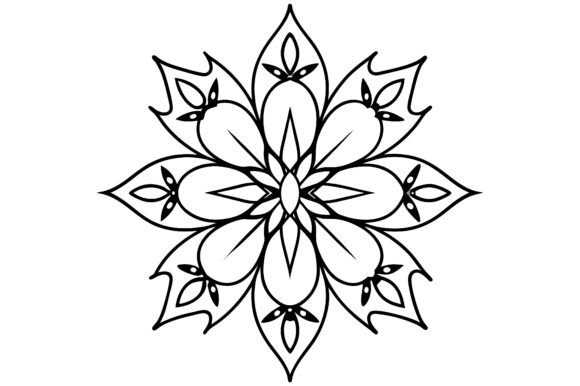
The Abstract Butterfly Mandala Flower Line is not merely a drawing; it is a synthesis of two powerful visual languages. On one hand, we have the butterfly and the flower—symbols universally recognized for transformation, beauty, and growth. On the other, we have the mandala, a geometric configuration of symbols representing the universe and wholeness in many cultures. When these elements are stripped down to their essential outlines using a flat design style, the result is a versatile icon that transcends cultural and stylistic boundaries.
This approach relies heavily on smooth outlines and negative space. Unlike traditional illustrations that might rely on shading, gradients, or complex textures, this style uses a single weight or varying weights of lines to define shape. The "clean and modern" aspect comes from the removal of unnecessary details. Every curve serves a purpose, guiding the eye through the composition while maintaining a sense of balance. This makes the asset incredibly lightweight for digital use, ensuring that it loads instantly and scales perfectly across any device.
The Psychology of Line Art in Branding
Why does this specific style resonate so deeply with contemporary audiences? The answer lies in cognitive ease. In an era of information overload, users prefer visuals that can be processed quickly. A professional flat design style reduces cognitive load, allowing the viewer to grasp the message immediately. When applied to branding, the Abstract Butterfly Mandala Flower Line suggests sophistication, clarity, and a forward-thinking mindset.
Consider a wellness app or a boutique eco-friendly brand. Using a heavy, photorealistic image of a butterfly might feel dated or overly literal. However, utilizing an abstract line art version signals a brand that values mindfulness, structure, and modern sensibilities. It tells a story of refinement. The symmetry inherent in the mandala structure provides a subconscious sense of stability and trust, while the organic curves of the butterfly and flower introduce warmth and creativity. This duality is what makes the design so effective for diverse industries ranging from technology startups to lifestyle blogs.
Integrating Vector Assets into Modern Workflows
The true strength of the Abstract Butterfly Mandala Flower Line lies in its format as a vector illustration. For designers working in UI/UX, web development, or print media, scalability is non-negotiable. Raster images lose quality when resized, but vectors remain crisp at any dimension. This characteristic allows a single file to serve multiple purposes within a single project ecosystem.
Imagine a workflow where a designer needs a favicon for a website, a hero image for a landing page, and a large-scale print banner for a conference. With a high-quality vector file, they do not need to create three separate assets. They simply scale the same file up or down. The smooth outlines ensure that the edges remain sharp on high-resolution Retina displays just as they do on small mobile screens. This efficiency saves time and ensures brand consistency across all touchpoints.
Practical Applications in Digital Projects
The versatility of this design extends far beyond simple decoration. Here are several practical scenarios where this asset shines:
- Logo Design: For businesses looking to establish a unique identity, combining the abstract butterfly and flower motifs creates a memorable mark. It works exceptionally well in monochrome, making it ideal for embossing on packaging or laser engraving on merchandise.
- UI/UX Elements: In application interfaces, icons need to be intuitive. An abstract line art icon can serve as a navigation symbol, a status indicator, or a decorative separator between content sections. Its minimal nature ensures it doesn't distract from the primary user task.
- Web Design Backgrounds: By layering a low-opacity version of the Abstract Butterfly Mandala Flower Line behind text content, designers can add depth and texture without compromising readability. It acts as a subtle watermark that elevates the overall polish of the site.
- Social Media Graphics: Consistency is key on platforms like Instagram and LinkedIn. Using this silhouette as a recurring motif in post templates helps build a cohesive visual language that followers can instantly recognize.
Choosing the Right Style for Your Creative Needs
While the appeal of minimal line art is broad, selecting the right variation requires careful consideration of your specific goals. Not every project benefits from the same level of abstraction. Before adopting the Abstract Butterfly Mandala Flower Line into your toolkit, ask yourself what narrative you wish to convey.
If your brand is rooted in luxury and exclusivity, opt for a version with thinner, more delicate lines. This mimics the precision of fine jewelry or high-end editorial typography. Conversely, if you are targeting a younger, energetic demographic, a slightly bolder line weight might be more appropriate to convey confidence and approachability. The flexibility of vector formats allows for these adjustments without losing the integrity of the original design.
Furthermore, consider the color palette. While black and white is the classic choice for line art, the clean nature of this silhouette makes it an excellent canvas for experimentation. You can apply gradients, duotones, or vibrant solid colors to adapt the asset to seasonal campaigns or rebranding efforts. The underlying structure remains strong regardless of the color treatment, providing a stable foundation for creative exploration.
Common Considerations for Implementation
When integrating this type of graphic into a larger system, spacing and alignment are critical. Because the design relies on negative space, crowding it with other elements can diminish its impact. Ensure there is sufficient breathing room around the icon to allow the intricate details of the mandala and butterfly wings to be appreciated. In web design, this often means adjusting padding and margins to create a balanced layout.
Additionally, accessibility should never be overlooked. While the abstract nature of the design is aesthetically pleasing, it must still be legible. If used as a functional icon in a user interface, ensure that the contrast ratio meets WCAG guidelines. Sometimes, adding a subtle background shape or adjusting the stroke width can enhance visibility for users with visual impairments without sacrificing the elegant, contemporary look.
The Future of Flat Design and Symbolic Icons
As digital trends evolve, the demand for assets that bridge the gap between organic and synthetic will only grow. The Abstract Butterfly Mandala Flower Line represents a sweet spot in this evolution. It honors the timeless beauty of natural forms while adhering to the strictures of modern digital functionality. It is a design that feels both familiar and fresh, capable of adapting to the shifting landscapes of technology and culture.
For creative professionals, mastering the use of such versatile assets is a strategic advantage. It allows for rapid prototyping, consistent branding, and the ability to craft compelling visual stories with minimal effort. Whether you are a freelance illustrator building a portfolio, a marketing manager overseeing a campaign, or a developer optimizing a website, incorporating these clean, modern line art silhouettes can significantly elevate the quality of your work.
Ultimately, the goal of design is communication. By stripping away the non-essential, the Abstract Butterfly Mandala Flower Line speaks clearly and directly. It invites the viewer to pause, appreciate the symmetry, and connect with the underlying message of transformation and harmony. In a crowded digital marketplace, that kind of clarity is not just a stylistic choice—it is a competitive necessity.