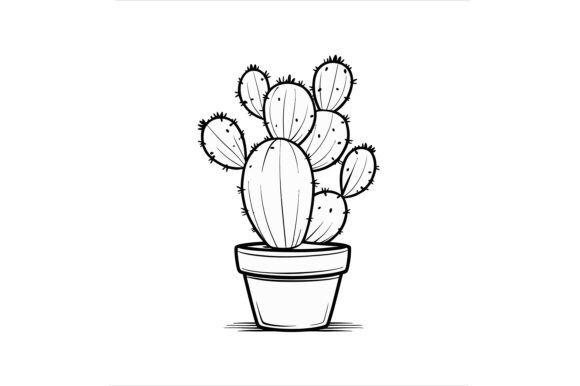
Cactus in Pot for Decoration and Home: A Versatile Asset for Design Workflows
In the realm of digital design and creative planning, selecting the right visual assets is a critical step that influences the entire trajectory of a project. The Cactus in Pot for Decoration and Home illustration serves as more than just a decorative element; it is a functional tool designed to streamline workflows for professionals and hobbyists alike. Whether you are a graphic designer finalizing a brand identity, a small business owner launching a print-on-demand store, or an educator creating engaging materials, this asset offers a balance of aesthetic appeal and technical flexibility. Understanding how to integrate this specific vector illustration into your process can significantly reduce production time while elevating the quality of your final output.
Understanding the Asset and Its Technical Foundation
The core value of the Cactus in Pot for Decoration and Home lies in its format and editability. Unlike static raster images that degrade when scaled, this resource is provided as a high-quality EPS vector file. This distinction is vital for any workflow that requires precision. In professional design environments, scalability is non-negotiable. You might need a tiny icon for a mobile app interface today and a massive mural-sized graphic for a wall installation tomorrow. The vector nature of this file ensures that lines remain crisp and edges sharp at any resolution, eliminating the pixelation issues that often plague low-resolution JPEGs.
Beyond the EPS file, the package includes a high-resolution JPEG. This dual-format approach addresses different stages of a project. The JPEG acts as a rapid prototyping tool, allowing you to visualize the design within a layout immediately without opening heavy vector software. Once the composition is approved, the EPS file takes over for the final execution phase. This separation of concerns—previewing with JPEGs and producing with vectors—optimizes computer performance and keeps the creative process fluid.
Integration Into Creative Planning and Pre-Production
Before a single pixel is finalized, the planning phase determines the success of a project. When incorporating the Cactus in Pot for Decoration and Home into your workflow, start by defining the context. Is this image intended for a minimalist home decor poster, a vibrant t-shirt design, or a subtle logo element? The versatility of the cactus motif makes it suitable for various themes, from bohemian aesthetics to modern industrial styles.
During the pre-production stage, designers often create mood boards to establish color palettes and stylistic directions. Because this illustration is fully editable in vector software, you can manipulate the colors to match your brand guidelines or the specific seasonal theme of a marketing campaign. For instance, if you are designing a summer collection, you might adjust the pot's texture and the cactus's green tones to reflect warm sunlight. If the project is for a corporate office environment, you might desaturate the colors to fit a more neutral palette. This adaptability means the asset fits seamlessly into existing brand systems without requiring a complete redesign.
Execution: From Concept to Final Output
Once the planning is complete, the execution phase begins. Here, the technical specifications of the Cactus in Pot for Decoration and Home become paramount. The workflow typically involves importing the EPS file into industry-standard software like Adobe Illustrator, CorelDRAW, or Inkscape. These tools allow you to isolate specific elements of the illustration. Perhaps you only need the cactus without the pot for a sticker design, or you want to duplicate the plant to create a pattern for fabric printing. The ability to resize and customize details ensures that the asset can be tailored to meet exact specifications.
For print-on-demand (POD) entrepreneurs, efficiency is key. The workflow often involves uploading designs to platforms like Redbubble, Etsy, or Printful. Using a vector source file guarantees that the product meets the high-resolution requirements of these platforms. A common pitfall in POD is using low-quality images that result in blurry prints on apparel or mugs. By starting with the EPS version of this cactus illustration, you ensure that every shirt, tote bag, or poster produced maintains professional quality. This attention to detail directly impacts customer satisfaction and reduces the likelihood of returns due to poor print quality.
Practical Applications Across Industries
The utility of this design extends across multiple sectors, each with its own unique workflow requirements:
- Apparel Merchandise: For clothing brands, the vector format allows for seamless application onto different garment sizes. The clean lines of the cactus translate well to screen printing and direct-to-garment (DTG) technologies.
- Home Decor and Wall Art: Interior designers and DIY enthusiasts can scale the image to fit large canvases or framed prints. The "Decoration and Home" aspect of the title suggests a natural fit for lifestyle branding and interior styling projects.
- Educational Materials: Teachers and content creators can use the illustration for biology lessons about plants, desert ecosystems, or even art classes focusing on vectorization. The clear, distinct shapes make it easy to annotate or modify for instructional purposes.
- Digital Scrapbooking and Stationery: Hobbyists can utilize the included JPEG for quick digital layouts or print the vector version for physical scrapbooks, ensuring the images look professional whether viewed on a screen or held in hand.
Quality Control and Long-Term Usability
Maintaining consistency across a portfolio of work is essential for building a strong professional reputation. The Cactus in Pot for Decoration and Home supports long-term usability because it is an original illustration created with AI-generated concepts but fully vectorized and edited by a human designer. This hybrid approach combines the speed of AI ideation with the precision of manual vector editing, resulting in a clean, artifact-free file.
When managing a library of design assets, organization is crucial. Storing the EPS and JPEG files in a structured folder system allows for easy retrieval during future projects. Since the file is fully editable, it becomes a template rather than a one-time-use image. You can save variations of the design—different colors, rotated orientations, or cropped versions—to build a cohesive set of assets for a larger campaign. This strategy saves time in the long run, as you do not need to recreate the base illustration for every new task.
Furthermore, understanding the limitations and strengths of the formats helps in decision-making. While the JPEG is convenient for web previews and social media posts, it should never be used for large-scale printing. Always revert to the EPS source for final production. This discipline ensures that your workflow remains efficient and error-free. It also protects the integrity of your brand, ensuring that every touchpoint with your audience reflects a commitment to quality.
Optimizing Your Workflow with Vector Assets
To maximize the potential of the Cactus in Pot for Decoration and Home, consider integrating it into a broader asset management strategy. Many professionals use cloud storage solutions to keep their vector libraries accessible across devices. By tagging files with relevant keywords such as "botanical," "vector," "home decor," and "editable," you can quickly locate the asset when inspiration strikes or deadlines loom.
Collaboration is another area where this asset shines. When working with clients or team members, sharing the EPS file allows everyone to see the underlying structure of the design. Clients can request specific changes, such as altering the pot's color to match their logo, which can be implemented instantly without compromising the image quality. This transparency fosters better communication and speeds up the approval process.
Finally, remember that the best tools are those that solve problems without creating new ones. The Cactus in Pot for Decoration and Home is designed to be a solution, not a hurdle. Its compatibility with major design software, combined with its ready-to-use JPEG option, removes friction from the creative process. Whether you are launching a new product line, updating a website, or simply adding a personal touch to a home project, this illustration provides the flexibility and quality needed to execute your vision effectively.
By treating this illustration as a strategic component of your workflow rather than just a decorative image, you unlock its full potential. From the initial planning stages to the final print run, the combination of vector precision and artistic style ensures that your projects stand out in a crowded market. Embrace the versatility of this asset to enhance your creativity, improve your efficiency, and deliver results that resonate with your audience.