Vintage Boat Vector Art: Creative Design Possibilities
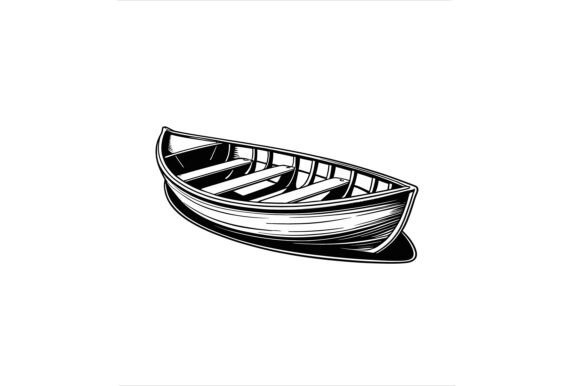
The Vector Art of Vintage Boat Illustration offers a timeless aesthetic with modern flexibility. Whether you're designing for print, digital media, or merchandise, this editable EPS file provides a foundation for creative exploration. Its classic charm pairs well with contemporary design tools, making it a versatile asset for a wide range of visual projects.
What Makes Vintage Boat Vector Art Unique
This illustration captures the nostalgic appeal of yesteryear's maritime design. The clean lines and stylized details reflect a bygone era while remaining adaptable to modern aesthetics. As a vector file, it maintains clarity at any size, making it ideal for everything from small stickers to large-format posters. The included JPEG version offers a quick-access option for time-sensitive tasks, while the EPS file ensures full customization for professional use.
Creative Applications Across Industries
Designers and creators can apply the Vector Art of Vintage Boat Illustration in multiple fields. Here are some practical and imaginative ways to use this asset:
- Apparel and Merchandise: Customize the illustration for t-shirts, tote bags, or hats. Adjust colors to match brand palettes or seasonal themes.
- Print-on-Demand Products: Use it for greeting cards, postcards, or wall prints. The classic style appeals to a broad audience, especially for coastal or nautical-themed shops.
- Digital Scrapbooking: Incorporate the boat illustration into digital kits for themed layouts, travel journals, or historical projects.
- Educational Materials: Adapt the image for infographics, lesson plans, or history-related content focusing on maritime culture or design evolution.
- Web Graphics and UI Elements: Integrate the illustration into website headers, icons, or background motifs for a unique visual identity.
Customization Tips for Different Styles
One of the greatest strengths of the Vector Art of Vintage Boat Illustration is its adaptability. Here are a few ways to reinterpret the design:
- Color Variations: Swap the original tones for bold hues to match a modern aesthetic, or use muted pastels for a softer, retro feel.
- Line Weight Adjustments: Thicker outlines can give the illustration a bold, graphic style, while thinner lines enhance its delicate, hand-drawn appearance.
- Layered Compositions: Break the illustration into layers to create depth or animate it for digital storytelling or social media content.
- Texture Overlays: Add a weathered or distressed texture for a more authentic vintage look, especially effective in print or packaging design.
- Stylized Reinterpretation: Simplify or exaggerate elements to fit minimalist, cartoon, or abstract design styles while keeping the core identity intact.
Designing for Different Audiences and Formats
Whether you're creating for a niche market or a general audience, the Vector Art of Vintage Boat Illustration can be tailored to suit various needs:
- For Educators: Use the illustration in classroom materials about maritime history, design evolution, or vector illustration techniques. Annotate the image with key terminology or historical facts.
- For Entrepreneurs: Feature the design on product packaging, branding elements, or promotional materials to evoke a sense of heritage and craftsmanship.
- For Bloggers and Content Creators: Incorporate the illustration into blog headers, social media templates, or infographic visuals for a cohesive and engaging aesthetic.
- For DIY Crafters: Resize and adapt the image for laser cutting, embroidery patterns, or vinyl decals. The vector format ensures precision for detailed crafting projects.
- For Digital Artists: Use it as a base layer in digital painting or mixed media projects. Combine it with other assets to create complex, layered compositions.
Maintaining Clarity and Consistency
When working with the Vector Art of Vintage Boat Illustration, it's important to maintain clarity and consistency across applications. Here are a few best practices:
- Organize Layers: Keep elements separated in your design software to allow for easy editing later, especially if you're combining the illustration with other graphics.
- Use Grids and Guides: Align the illustration precisely with other design elements, especially when working on multi-component layouts like posters or packaging.
- Test at Multiple Sizes: Even though vectors scale well, test how the illustration looks at both small and large sizes to ensure readability and visual impact.
- Stick to a Color System: If you're using the illustration across multiple projects, maintain a consistent color palette to reinforce brand recognition or thematic unity.
- Save Variations: Create and save multiple versions of the illustration—different color schemes, cropped compositions, or simplified line art—for quick access in future projects.
Staying Inspired and Original
While the Vector Art of Vintage Boat Illustration offers a strong starting point, the real value comes from how you reinterpret and apply it. Inspiration can come from many sources:
- Explore vintage nautical charts, old postcards, or antique advertisements for authentic historical references.
- Combine the illustration with modern typography or geometric shapes for a retro-futuristic look.
- Incorporate cultural motifs or regional patterns to give the design a localized or personal touch.
- Use the illustration as a central theme in a larger visual story—whether it's for branding, editorial design, or a personal portfolio piece.
- Collaborate with other creatives to see how they interpret the same base image, opening up new creative directions.
Conclusion
The Vector Art of Vintage Boat Illustration is more than a design asset—it's a creative tool that adapts to your vision. Whether you're crafting merchandise, designing digital content, or developing educational materials, this illustration offers flexibility, quality, and a timeless aesthetic. By exploring different styles, applications, and customizations, you can make it your own while staying grounded in practical design principles. Let it inspire your next project, and discover how a single illustration can open up a world of creative possibilities.